Dr. Thanapoom Boonipat: Expertise in Ethnic Rhinoplasty and Facial Harmony
Posted in Service
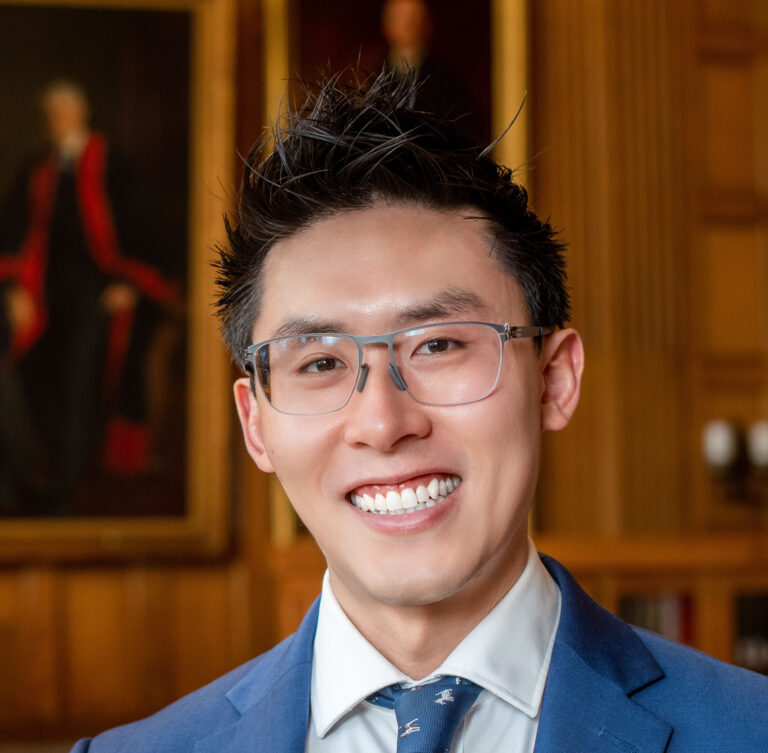
Ethnic rhinoplasty requires a careful understanding of diverse facial structures, aesthetic preferences, and individual proportions. Dr. Thanapoom Boonipat approaches facial enhancement with attention to anatomical detail and overall harmony, recognizing that successful rhinoplasty is not simply about changing the nose. The procedure involves considering how nasal shape relates to the eyes, cheeks, lips, chin, and jawline. This individualized perspective can help support results that look balanced while respecting each patient’s distinctive facial characteristics.
Understanding Ethnic Rhinoplasty
Ethnic rhinoplasty refers to rhinoplasty performed with consideration for a patient’s ethnic and anatomical characteristics. Different populations may have variations in nasal skin thickness, cartilage structure, nasal width, bridge height, and tip definition. These factors can influence surgical planning and the techniques appropriate for achieving a desired result.
Rather than applying a single aesthetic standard, contemporary rhinoplasty increasingly emphasizes personalized outcomes. Patients may seek improvements in nasal definition, proportion, symmetry, or profile while wanting to preserve features that reflect their identity. Understanding these priorities is an important part of the consultation process.
Balancing Nasal Proportion and Facial Features
Facial harmony depends on the relationship between individual features. A nose that appears attractive independently may not necessarily create the most balanced appearance when considered alongside the rest of the face. For this reason, surgeons assess facial proportions from multiple perspectives before developing a surgical plan.
Dr. Thanapoom Boonipat focuses on the relationship between nasal structure and broader facial aesthetics. Detailed evaluation can help determine how changes to the bridge, tip, nostrils, or nasal projection may affect the overall appearance. This approach is particularly relevant for patients seeking refinement without an excessively altered result.
Precision in Surgical Planning
Successful rhinoplasty involves more than aesthetic judgment. Surgical planning requires knowledge of nasal anatomy, structural support, tissue characteristics, and healing behavior. These considerations become especially important when addressing thicker skin, weaker cartilage, or specific structural variations.
Patients commonly want to understand expected recovery, potential risks, and how long results may take to become fully apparent. A thorough consultation provides an opportunity to discuss these considerations and establish realistic expectations before surgery.
Natural Results and Individual Identity
Many modern rhinoplasty patients prefer results that appear refined rather than obviously surgical. Preserving appropriate proportions and maintaining an individual’s recognizable characteristics can contribute to a natural-looking outcome.
Ethnic rhinoplasty therefore requires sensitivity as well as technical expertise. The objective is not necessarily to make every nose conform to one ideal but to create an appearance that complements the patient’s existing facial structure and personal goals.
A Personalized Philosophy of Facial Aesthetics
Choosing a rhinoplasty specialist involves evaluating surgical expertise, communication, treatment planning, and an understanding of facial diversity. Patients should consider whether their goals are clearly understood and whether the proposed approach accounts for their anatomy and desired aesthetic direction.
With its emphasis on ethnic considerations, structural precision, and facial proportion, Dr. Thanapoom Boonipat represents an approach to rhinoplasty centered on individualized facial harmony.